
“Wait, why is it this expensive now?”
This phrase is increasingly heard in our daily lives. From grocery shopping to transportation costs, many people are beginning to feel that their expenses are no longer what they used to be.
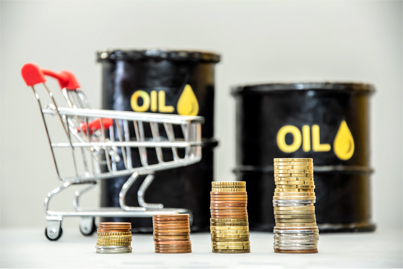
This phenomenon does not happen by chance. One of the primary factors is the surge in global oil prices. In the global economic system, oil is a crucial component that influences production and distribution costs. When its price rises, the ripple effect spreads across various sectors, ranging from logistics and food to everyday services.
According to global economic reports from institutions like the IMF and the World Bank, the increase in energy prices correlates directly with rising inflation, particularly in developing nations. In Indonesia, inflation is frequently driven by transportation and food components, two sectors highly sensitive to energy prices.
However, the impact of rising prices does not stop at daily expenditures. There is a secondary effect that often goes unnoticed: the decline in the "effective value" of one's financial protection.
As the cost of living increases, financial needs inevitably shift. Healthcare costs, for instance, are rising globally at a faster rate than general inflation. Industry reports indicate that medical inflation can reach up to twice the rate of regular inflation in several Asian countries.
At this juncture, a rarely realized risk emerges: underinsurance—a condition where the value of existing protection is no longer proportionate to actual needs.
Someone who felt adequately protected five years ago might actually be underinsured today. This is not due to a lack of protection, but rather because their financial needs have evolved faster than their coverage adjustments.
Simply put, if hospital costs increase by 10–15% annually while insurance benefits remain static, a significant coverage gap will occur within just a few years. This insight demonstrates that today's financial challenge is not merely about having protection, but ensuring that this protection remains relevant amid changing economic dynamics.
In practice, these adjustments can be made in various ways, such as adding supplementary benefits (riders) or conducting periodic reviews of the coverage value. This proactive step is similar to how individuals adjust their household budgets when the cost of living rises.
Ultimately, the rise in global oil prices is just one example of how global factors can directly affect our daily lives. Behind it, however, lies a far greater lesson: financial planning and protection must be adaptive, not static.
Conducting regular evaluations is no longer just an option; it is an essential part of the strategy to maintain a family's financial resilience.
As part of our commitment to accompanying you through every stage of life, PFI Mega Life provides protection solutions designed to stay relevant to your ever-evolving needs. Because ultimately, protection is not just about today—it is about ensuring your family maintains a strong and secure foundation to face the future.
Back to List