
Jakarta, October 2, 2026 – Batik has been an integral part of Indonesian society for generations. Its traditions, techniques, and motifs have continued to be introduced and passed down from one generation to the next. UNESCO recognizes batik as a cultural tradition that has been passed down across generations and has become part of Indonesia’s cultural identity. In 2009, Indonesian Batik was officially inscribed on the Representative List of the Intangible Cultural Heritage of Humanity.
The diversity of batik in Indonesia can be seen in the many motifs that have developed across different regions. Some have become particularly well-known and continue to be worn on various occasions, both in traditional forms and in modern fashion.
1. Batik Parang
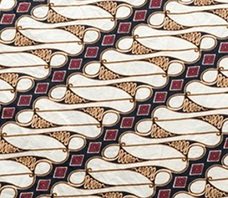
Originating from the Javanese batik tradition, Batik Parang is recognized by its repeated diagonal patterns resembling flowing waves. The motif is often associated with resilience, continuity, and the spirit of moving forward.
2. Batik Kawung
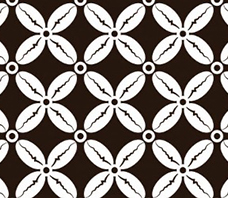
The Kawung motif features a geometric pattern resembling an arrangement of kawung fruit. Its symmetrical design makes it easily recognizable and allows it to remain relevant through various contemporary interpretations of batik.
3. Batik Mega Mendung
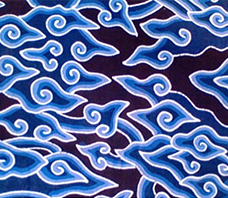
Identified with Cirebon, Mega Mendung features cloud-like patterns that have become its distinctive characteristic. Its combination of bold shapes and colors has made it one of the most popular and recognizable regional batik motifs.
4. Batik Sogan
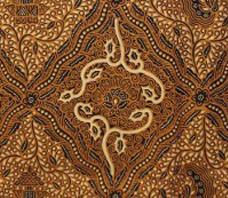
Batik Sogan is known for its distinctive brown tones, which create a classic and elegant impression. The motif has strong ties to the Javanese batik tradition and continues to be widely used in various forms of clothing.
5. Batik Sekar Jagad
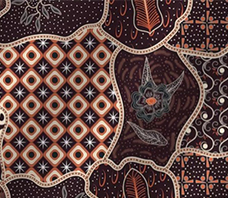
Sekar Jagad features patterns resembling a collection of pieces or a map, with various shapes coming together in one design. Its uniqueness lies in the diversity of patterns combined within a single piece of fabric, reflecting the visual richness of Indonesian batik.
These diverse motifs show that batik is more than just a fabric with beautiful patterns. Behind each motif lies a history, technique, symbolism, and cultural value that continues to be studied and developed. Even as its forms and uses evolve with the times, the essence of batik as part of Indonesia’s cultural identity can continue to be passed down.
Not Just Fabric, but Heritage
Cultural heritage does not always take the form of something that is simply preserved and kept unchanged. Some forms of heritage remain alive precisely because they are used, developed, and reintroduced to future generations.
The same can be said of batik. From a tradition that has existed for generations to becoming part of contemporary fashion, batik demonstrates how something passed down through generations can continue to hold meaning even as times change.
Heritage is not always something that can be seen or preserved as a physical object. It can also take the form of values and meaning that are passed on through the things we do and the preparations we make for the future.
Just as batik is a cultural heritage that continues to be preserved and introduced from one generation to the next, in life, there are also forms of preparation made to help protect what matters when circumstances change.
This is where life protection carries meaning. It is not an inheritance in the form of an object, but part of preparing for life’s risks and helping maintain the continuity of the plans we have built.
Through life protection, PFI Mega Life is here to help provide a sense of support when life encounters circumstances that cannot always be predicted.
Because, just as batik continues to be passed down and finds new meaning in every era, what we prepare today can also become part of a story that continues into the future.
Back to List